Engineering organizations modernizing around GitLab often focus on:
- CI/CD automation
- DevSecOps integration
- Pipeline-based validation
- Compliance traceability
But there is one dimension that frequently remains outside the pipeline:
Cost governance.
IBM Cloudability Governance changes that dynamic — and for GitLab-centric environments, it opens up a new layer of DevSecFinOps integration.
What’s Available Today — and What’s Coming Next
Cloudability Governance is now generally available for organizations running AWS with Terraform-based infrastructure. Today, it integrates with:
- AWS (GA cloud provider support)
- Terraform (HCP Terraform, Terraform Enterprise, Terraform Community, Terragrunt)
- GitHub.com and GitHub Enterprise Cloud via a native GitHub App
- Terraform Run Tasks for enforcement during plan and apply phases
This means AWS customers using Terraform and GitHub can already embed real-time cost estimation and policy enforcement directly into their pull request and CI workflows.
On the roadmap for 2026 are several important expansions:
- GitLab integration, extending governance enforcement into GitLab CI/CD and merge request workflows
- Azure and GCP support, broadening multi-cloud governance coverage
- GitHub Enterprise Server (on-prem) support
- Additional cloud services and cost estimation enhancements
In other words, today Cloudability Governance is available today for AWS + Terraform + GitHub environments. But its trajectory clearly points toward broader DevOps platform support — including GitLab-centric enterprises — and multi-cloud coverage.
For organizations modernizing DevOps and FinOps together, this roadmap matters.
The Problem in Modern GitLab Environments
GitLab already governs:
- Source control
- Merge request approvals
- Security scanning
- CI/CD pipelines
- Compliance reporting
Yet cost governance often sits outside this workflow.
Developers write Terraform.
Pipelines deploy infrastructure.
Cloud spend accrues.
FinOps reviews later.
This creates a structural disconnect between engineering and financial accountability.
What Cloudability Governance Adds to the Pipeline
Cloudability Governance embeds cost and compliance checks directly into Infrastructure-as-Code workflows.
Currently integrated with GitHub and Terraform, with GitLab on the roadmap, it introduces:
1. Cost Visibility in Merge Requests
Engineers see real-time cost estimates using negotiated AWS rates.
This aligns infrastructure changes with actual financial impact — before merge.
2. Policy Enforcement at the IaC Level
FinOps defines:
- Tagging requirements
- Approved instance families
- Regional restrictions
- Cost guardrails
GitLab-style pipelines would:
- Run governance checks during CI
- Flag non-compliant plans
- Block merges when mandatory enforcement is enabled
- Trigger approval workflows for exceptions
This feels natural in GitLab environments, where pipeline gating and MR approvals are already cultural norms.
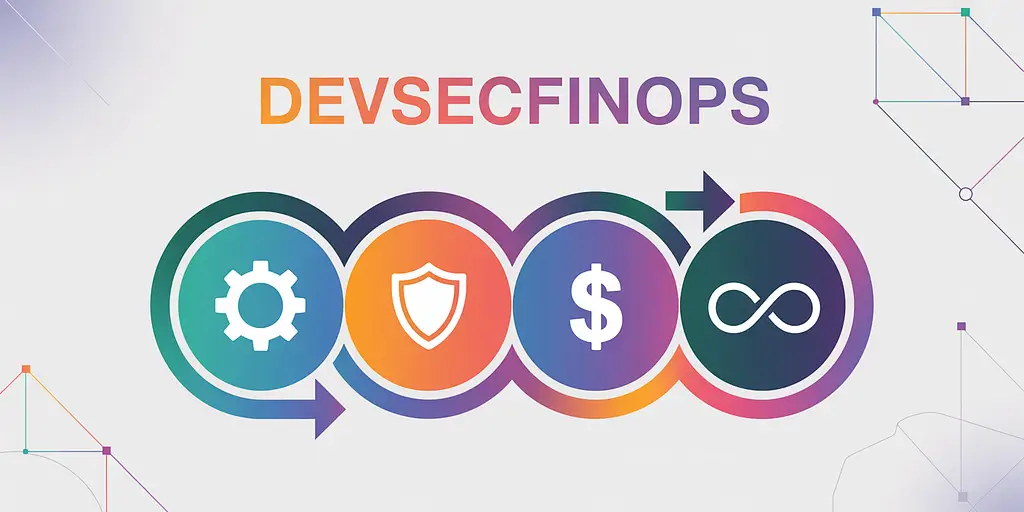
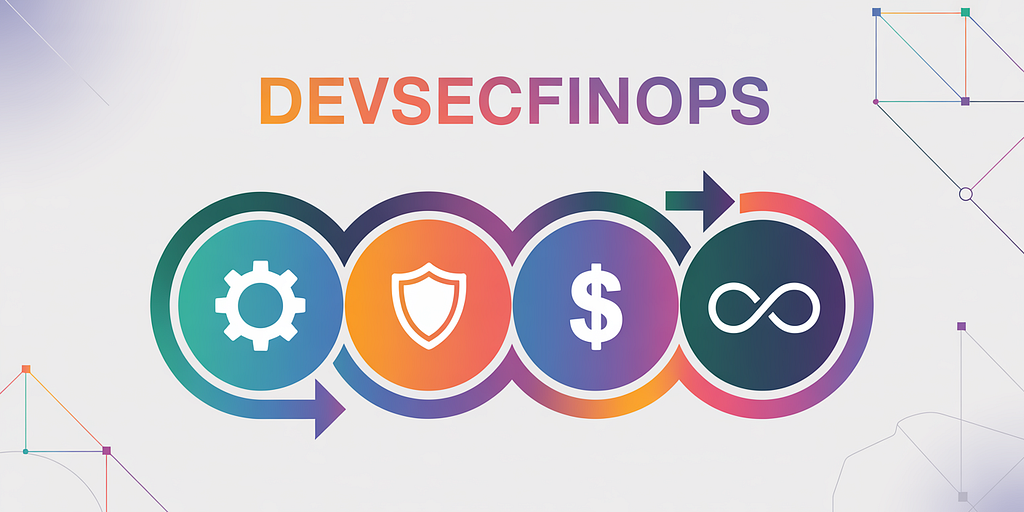
3. DevSecFinOps Integration
GitLab customers are accustomed to:
- SAST checks
- Dependency scanning
- Container scanning
- Compliance frameworks
Cloudability Governance effectively adds:
Cost and financial policy scanning.
In the same pipeline.
That is a significant shift.
Why This Matters for Enterprise GitLab Customers
GitLab often becomes the control plane for enterprise software delivery.
Extending that control plane to include financial governance:
- Reduces post-deployment escalations
- Aligns DevOps and FinOps teams
- Improves audit readiness
- Prevents budget drift
- Reduces infrastructure sprawl
For enterprises running large-scale Terraform estates, this becomes a logical next step.
Where 321 Gang Fits
In our work at 321 Gang, we often see organizations modernizing GitLab environments for DevOps and compliance — but cost governance remains external.
Cloudability Governance creates an opportunity to integrate FinOps directly into that modernization effort.
The result is not just DevOps.
It’s DevSecFinOps — with enforcement embedded in the pipeline.
Where This Is Headed
Modern engineering platforms are converging:
Security shifted left.
Compliance shifted left.
Now cost governance is shifting left.
For GitLab-centric enterprises, Cloudability Governance represents a natural evolution — embedding financial guardrails into the same workflows already used for code quality and security validation.
The outcome isn’t just lower cloud spend.
It’s more predictable engineering.
Get Started
To learn more about integrating Cloudability Governance into your DevOps and FinOps workflows, contact 321Gang. We work with organizations modernizing their engineering and cloud operating models — aligning GitLab-based DevOps environments with proactive cost governance and compliance automation. Our team helps connect CI/CD pipelines, financial guardrails, and traceability practices to reduce cloud waste and improve predictability. If you’re exploring how to embed FinOps directly into your engineering workflow, we’re happy to share what we’re seeing in the field and how to approach implementation in a practical, scalable way.