
GPU Utilization Is the New CPU Utilization Lie
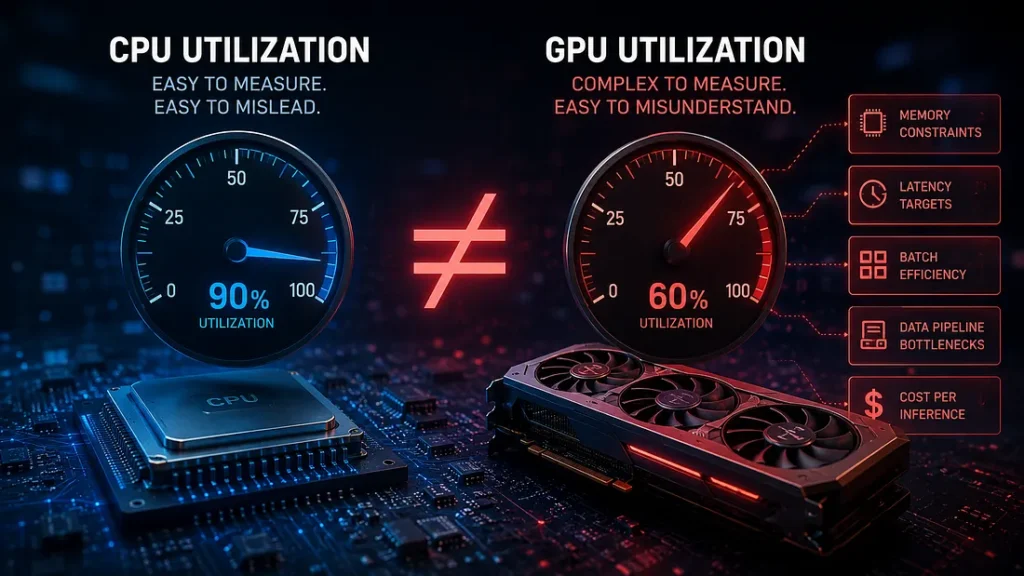
AI Economics For years, infrastructure teams treated CPU utilization as the gold standard for efficiency. Then organizations discovered an uncomfortable truth: High CPU utilization does not necessarily mean economic efficiency. Now the AI industry is repeating the exact same mistake with GPUs. The Dangerous Simplicity of GPU Utilization GPU utilization is attractive because it’s simple. […]
Kubernetes Autoscaling Is Breaking Cloud Forecasting
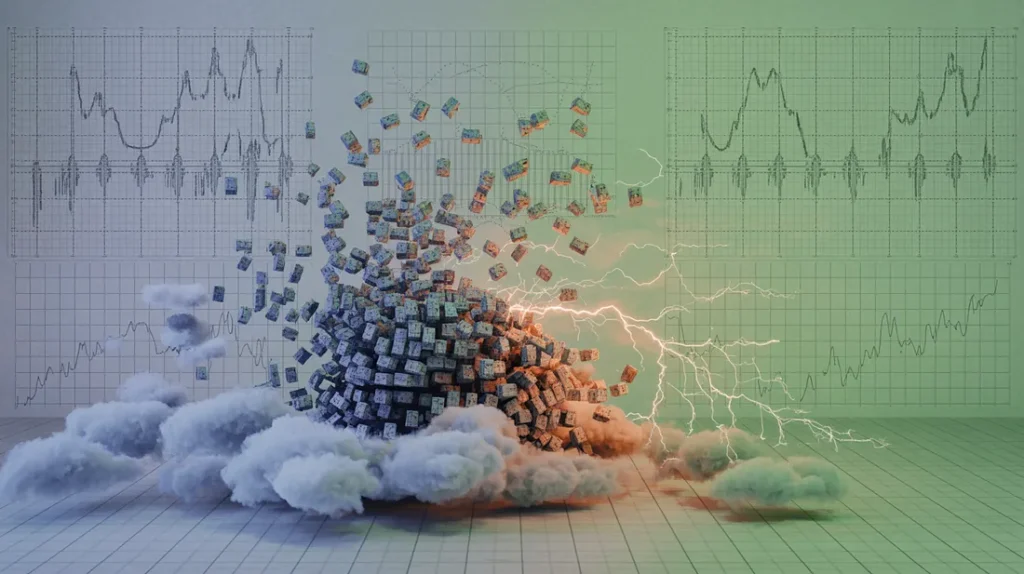
Kubernetes FinOps The Hidden Economic Problem Nobody Talks About Kubernetes autoscaling solved one problem and quietly created another. Infrastructure teams love autoscaling because it eliminates manual capacity planning. Applications can expand during spikes and shrink during idle periods. In theory, it’s efficient, elegant, and cloud-native. Financial forecasting teams, however, are discovering a painful side effect: […]
Cloud Waste Is Not a Leak You Can Patch

Cloud Optimization You’ve probably seen the Flex Tape demo. There’s a leak.Water is pouring out.Someone slaps tape over it and calls it fixed. It looks solved. It isn’t. That’s what a lot of cloud cost optimization looks like today. Most teams don’t have a visibility problem They can see cloud waste. Idle resources Overprovisioned environments […]
AI Cost Transparency Is Worse Than Kubernetes — Here’s Why

AI Economics The problem isn’t usage. It’s control. Kubernetes cost transparency was hard. AI cost transparency is worse. Not incrementally worse. Fundamentally worse. Kubernetes Was Complex — But It Had Structure Kubernetes introduced real challenges: Shared infrastructure Indirect resource consumption Difficult allocation models Overprovisioning hidden in requests versus usage Over time, things improved. OpenCost helped […]
Kubernetes Cost Transparency Is Still Broken — Even If You Think You Fixed It

Kubernetes FinOps A lot of teams think they’ve solved Kubernetes cost transparency. They haven’t. They’ve just gotten better at reporting it. The illusion of progress If you’re running Kubernetes today, you probably have: OpenCost (or something based on it) Kubecost (free or enterprise) Cloud billing integrated somewhere Dashboards showing cost by namespace And that feels […]
Your FinOps Team Is Understaffed — and It’s About to Get Worse

FinOps Architecture If your FinOps team feels stretched, behind, or constantly reacting… That’s not a maturity problem. It’s the direction of the industry. And both the 2025 and 2026 State of FinOps reports point to the same conclusion: FinOps didn’t get more efficient. It got bigger. FinOps didn’t get more efficient.It got bigger. I’ve seen […]
Cloud Waste Loves Native Tools
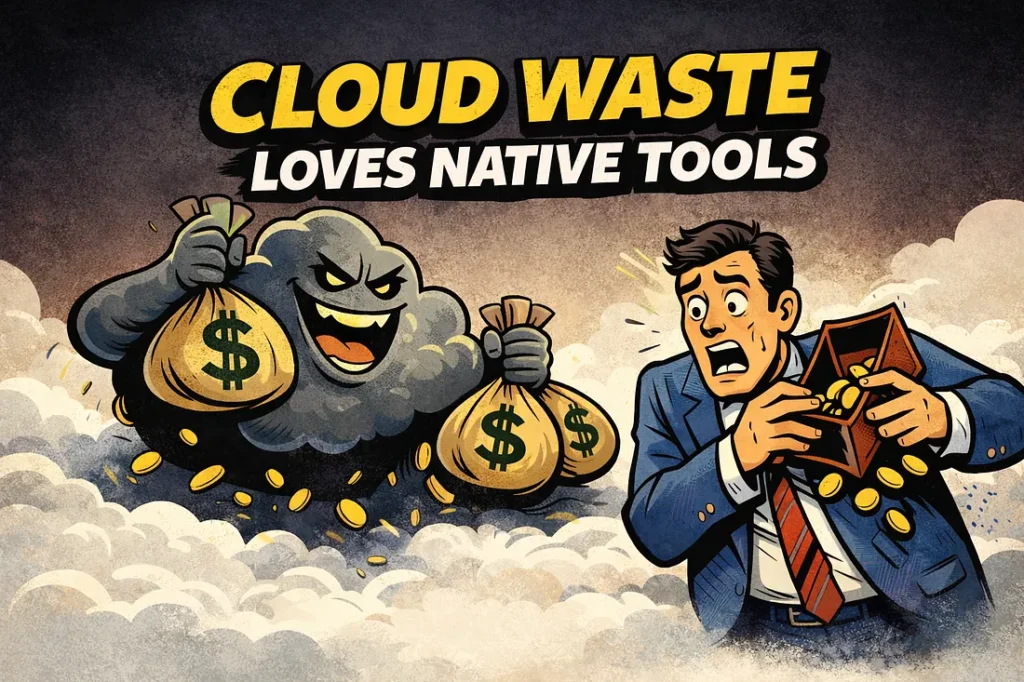
FinOps Architecture Why Your “Free” Cloud Cost Dashboard Is Quietly Fueling Overspend Let’s start with an uncomfortable truth. Cloud waste doesn’t fight native cost tools. It thrives in them. Because native tools are built for visibility — not accountability.They show you what happened.They don’t enforce ownership.They don’t normalize complexity.They don’t scale governance. And at small […]
Kubernetes Cost Transparency: OpenCost vs IBM Kubecost Free vs Enterprise vs SaaS

Tool Comparisons Kubernetes cost visibility has matured over the past few years. What started as a grassroots open-source effort (OpenCost) has evolved into a structured set of offerings across self-hosted and SaaS models — including IBM-branded Kubecost options. But the naming can be confusing: OpenCost Kubecost Free Kubecost Enterprise IBM Kubecost Cloud Service (SaaS) If […]
Economic Intent: The Next Phase of FinOps

FinOps Architecture For most organizations, FinOps begins with a very practical goal: reduce cloud waste. Unused resources, idle capacity, overprovisioned services — these are tangible, measurable problems. Early FinOps success is often defined by quick wins and visible savings. Dashboards improve. Variance shrinks. Leadership feels progress. But something interesting happens once those gains level off. […]
AI Is Breaking Your FinOps Model — Here’s What Needs to Change
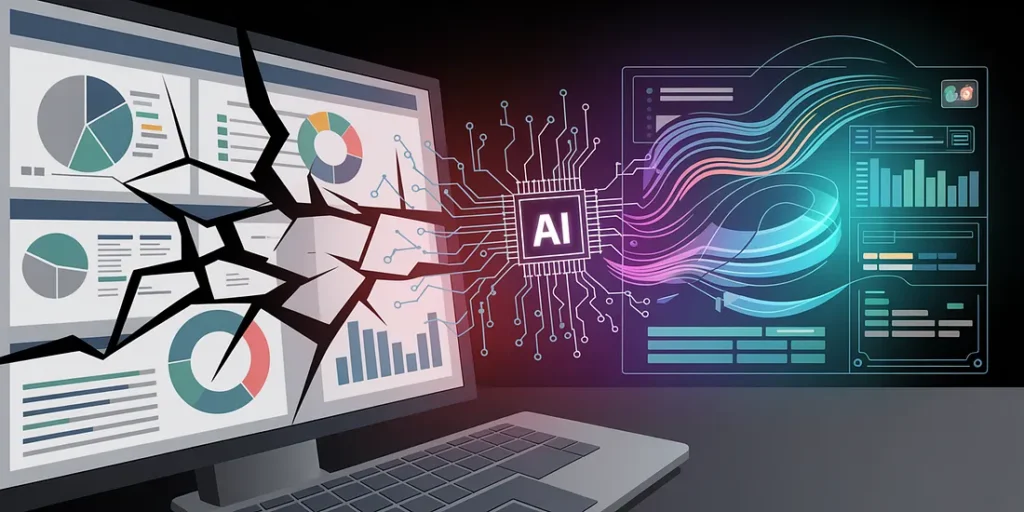
AI Economics For years, FinOps has worked because cloud costs followed fairly predictable patterns. Instances ran continuously. Storage accumulated gradually — mostly. CI/CD environments spun up and down in ways teams could eventually model — kind of. Even when waste existed, it was at least legible — largely. AI breaks that. Not because it’s more […]