Most organizations believe they have visibility into delivery.
After all, they have:
- dashboards in Jira
- reports in IBM Engineering Workflow Management
- pipelines in GitLab or Azure DevOps
Work is being tracked.
Teams are moving.
Progress is visible.
But ask a leadership question:
“Are we investing in the right work — and is it delivering value?”
That’s where things break down.
The Illusion of Alignment
At the team level, things look under control.
- Backlogs are groomed
- Sprints are planned
- Work is delivered
But across the organization:
- priorities shift
- initiatives evolve
- funding changes
And those changes don’t consistently make it into delivery systems.
So what happens?
Teams continue executing — efficiently — but not always on what matters most.
The Real Problem: Disconnected Systems of Work
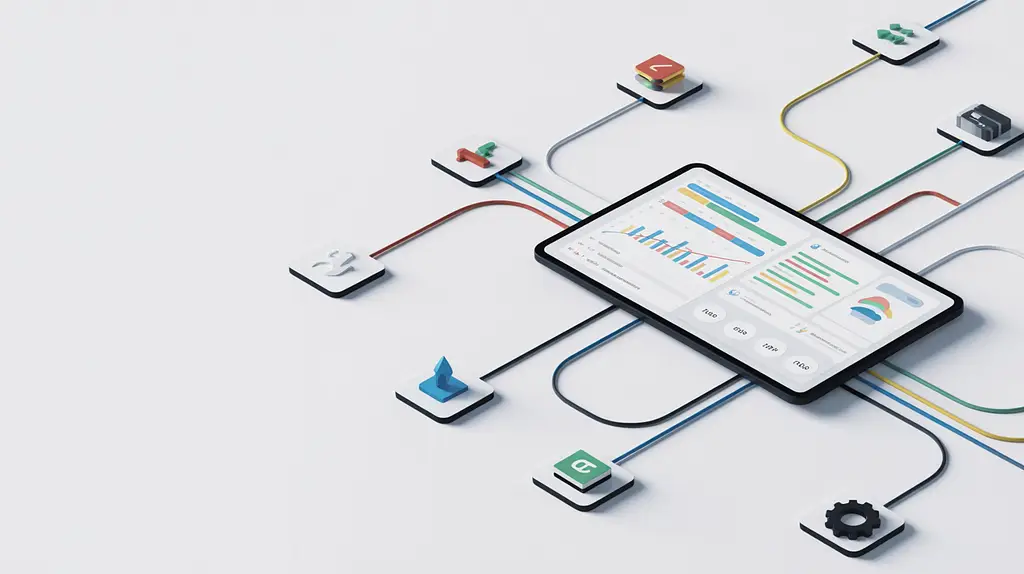
Most organizations aren’t running a single delivery tool.
They’re running a mix:
- Jira for software teams
- IBM Engineering Workflow Management in engineering
- Azure DevOps or GitLab for CI/CD
- ServiceNow for intake and operations
- sometimes Rally Software or other legacy systems
Each tool works well within its domain.
But none were designed to answer:
- How does this work connect to strategic priorities?
- Where are we investing vs. where we should be?
- What outcomes are we actually producing?
So organizations compensate with:
- spreadsheets
- slide decks
- manual reporting
And that’s where alignment begins to drift.
Why This Gets Expensive
This isn’t just a visibility problem. It’s a cost problem.
Because when delivery isn’t connected to portfolio:
Work Continues — Even When Priorities Change
Strategy shifts.
Teams keep working.
Not because they’re doing anything wrong —
but because the change never made it into their system.
Misalignment Isn’t Obvious Early
At first, everything looks fine.
- progress is being made
- velocity is stable
- reports look healthy
But over time:
- effort accumulates in the wrong direction
- dependencies fall out of sync
- rework increases
Correction Happens Late
And that’s where the cost shows up.
- initiatives need to be re-scoped
- work needs to be redone
- timelines slip
Not because teams failed —
But because the system never kept them aligned.
The Missing Layer: Connecting Execution to Strategy
This is where portfolio tools come in.
Not to replace delivery tools — but to connect them.
Platforms like:
- Targetprocess
- Jira Align
- Planview
…create a system where:
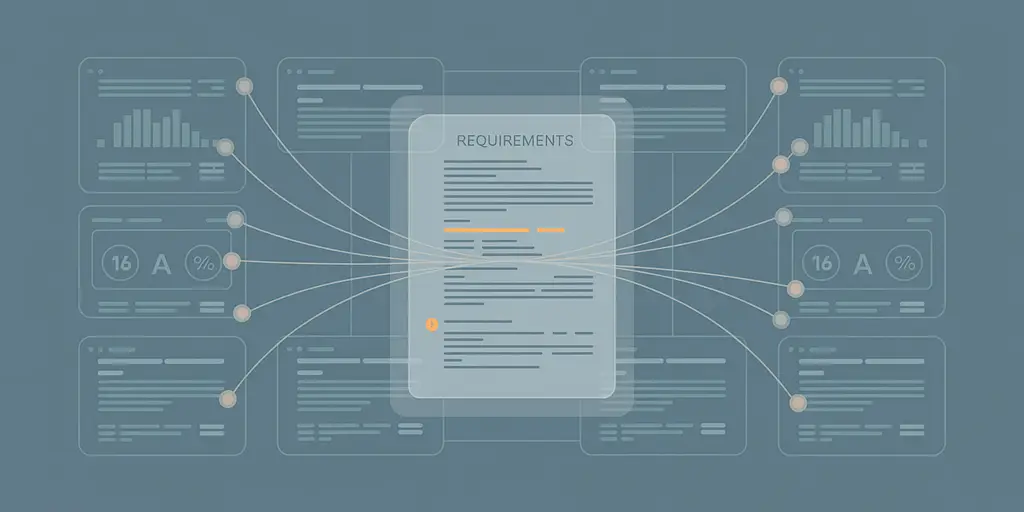
- initiatives connect to execution
- priorities propagate into delivery
- work maps to outcomes
What Actually Changes When You Connect These Systems
This is where the value becomes real.
1. Strategy Actually Reaches Delivery
Instead of:
- strategy living in presentations
- execution living in Jira or IBM Workflow
You get:
- direct linkage between initiative → epic → work
Impact:
- Faster alignment when priorities shift
- Less drift between planning and execution
2. You Reduce Rework and Late Corrections
When changes propagate:
- teams adjust earlier
- dependencies stay aligned
- fewer surprises late in delivery
Impact:
- Reduced rework
- Shorter cycle times
- Lower delivery risk
3. You Eliminate Manual Reporting Layers
No more:
- exporting data
- rebuilding it in slides
- reconciling inconsistencies
Impact:
- 20–40% reduction in reporting effort
- real-time visibility instead of delayed snapshots
4. You See Where Investment Is Actually Going
Work is no longer just tracked — it’s contextualized.
- effort tied to initiatives
- initiatives tied to strategy
- strategy tied to outcomes
Impact:
- Better investment decisions
- identification of low-value or misaligned work
Not All PPM Approaches Are the Same
There are multiple ways to approach this layer.
- Jira Align
Works well in Jira-centric environments, particularly those standardizing on SAFe — but can be rigid and tightly coupled to that model. - Planview
Broad and powerful across portfolio management — but often heavier to implement and less flexible across mixed toolchains. - Targetprocess
Stands out for its ability to: - connect multiple delivery tools
- support different ways of working
- provide clear, visual alignment across levels
It doesn’t require you to standardize everything.
It connects what you already have.
What This Really Comes Down To
Most organizations don’t have a delivery problem.
They have a connection problem.
- Work is happening
- Tools are in place
- Data exists
But it’s not aligned into a system that answers:
Are we doing the right work?
Is it delivering value?
Until that connection exists:
- teams drift
- rework increases
- decisions lag behind reality
The Part Most Teams Miss
Misalignment doesn’t happen all at once.
It builds slowly:
- a change that doesn’t propagate
- a dependency that isn’t updated
- a priority that isn’t reflected in execution
And by the time it’s visible — it’s expensive.
321Gang Perspective
At 321Gang, we rarely see organizations lacking tools.
What we see is:
- strong delivery systems
- defined portfolio processes
- and a gap between them
That gap is where:
- alignment breaks down
- rework shows up
- and value gets lost
Our focus isn’t on replacing tools.
It’s on connecting them — practically.
- Linking platforms like Jira and IBM Workflow
- Integrating with portfolio tools like Targetprocess
- Aligning the system so change actually flows
If you’re already investing in delivery tools, the next step usually isn’t adding more.
It’s making them work together as a system.
And that’s where the real value shows up.